Roles · Tools
Two fingers on the implant. The sheet, blank.
He tries to transmit his intention through a fictional implant. The tool still has a blank sheet and no idea which folder it should preserve.
Blog · open ideas
Posts with scenarios, questions, and small examples for thinking about AI tools. Different experiences, including disagreement, can change the questions we ask.
No posts match these filters. Try another topic or clear your search.
He tries to transmit his intention through a fictional implant. The tool still has a blank sheet and no idea which folder it should preserve.
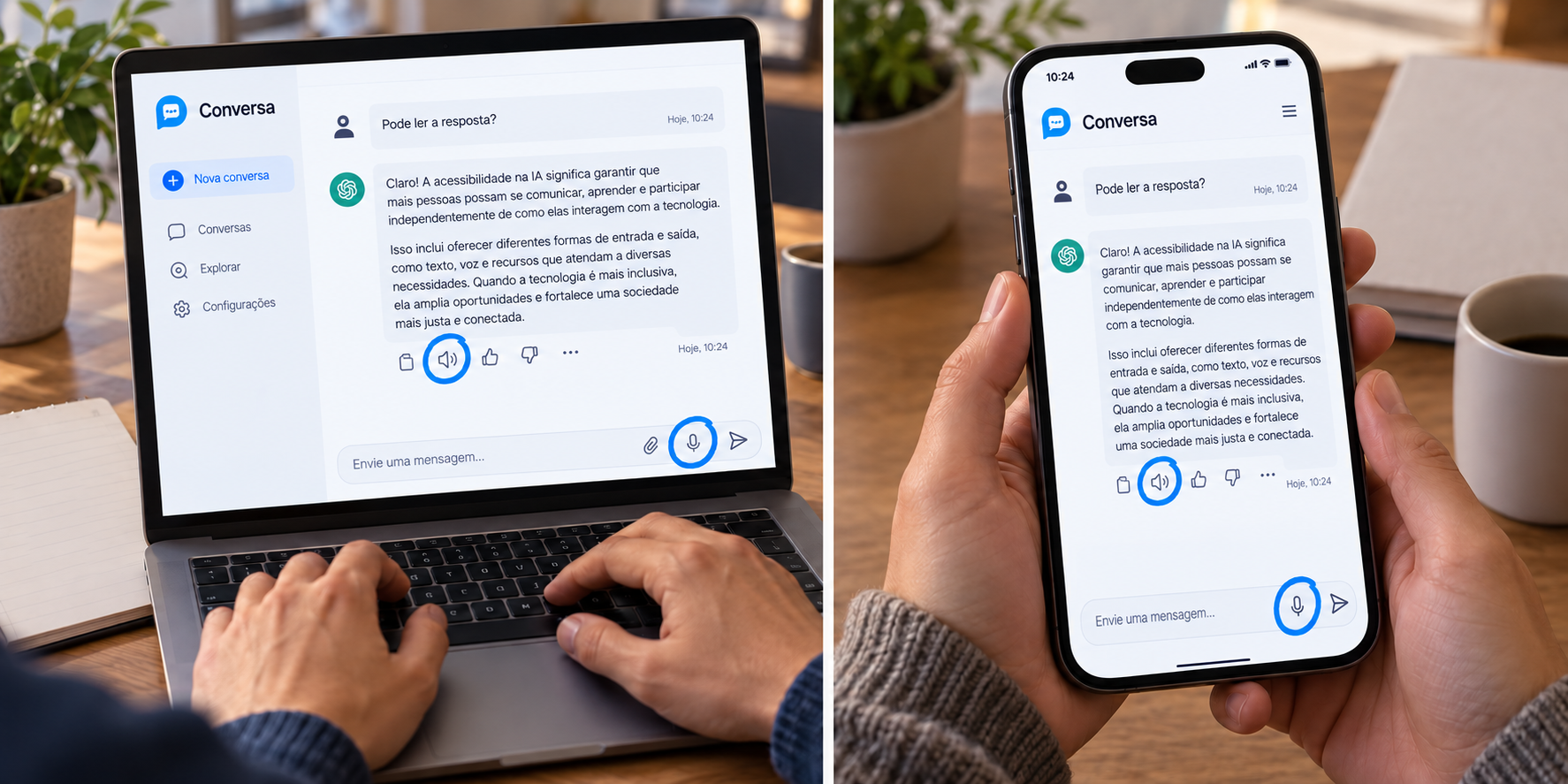
The microphone sits next to the question. Hearing the answer may require a different control or a trip through a menu.
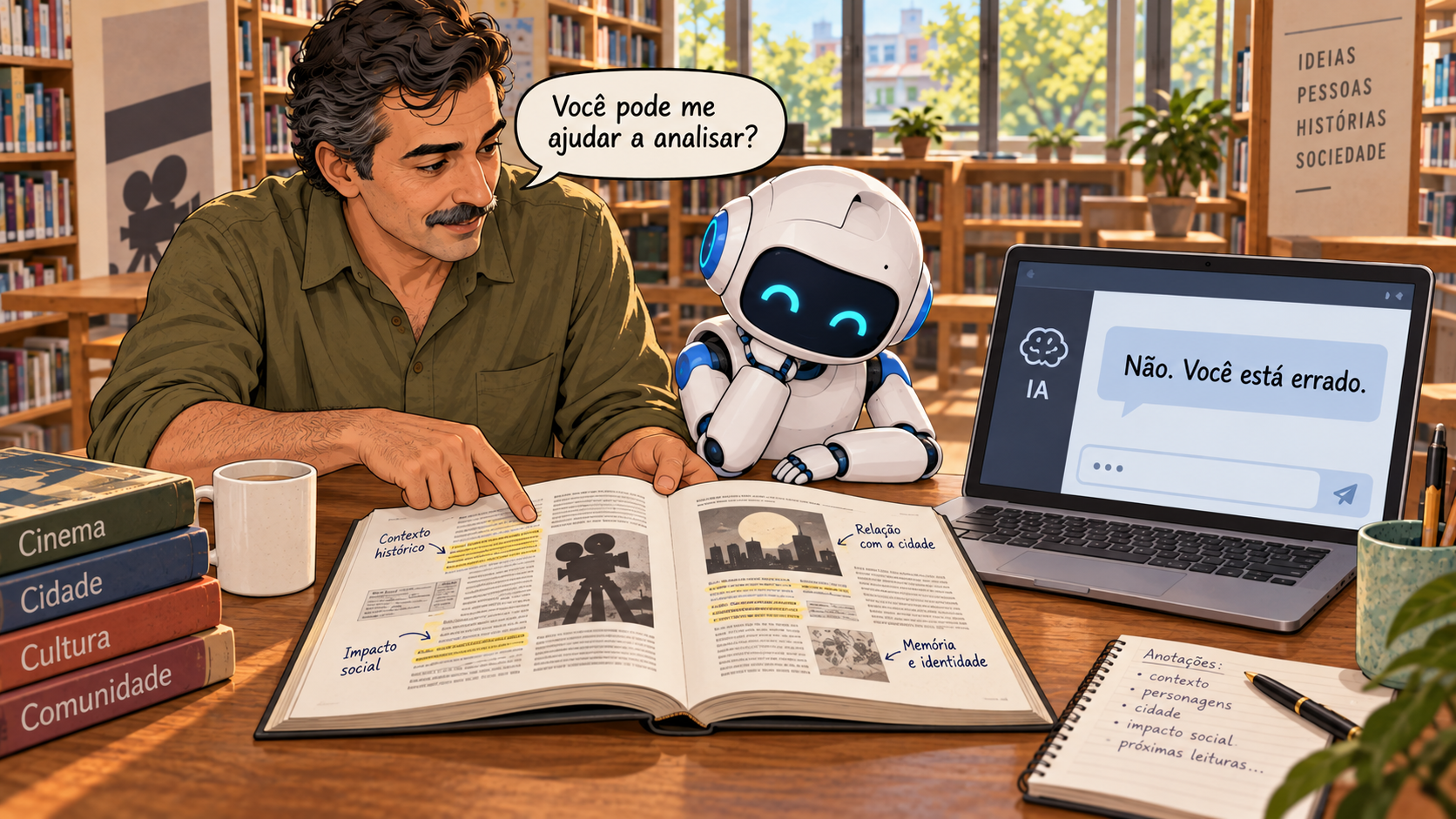
The book is open, the question is specific, and the context has already been explained. But before helping, the tool demands that the person justify the question itself.
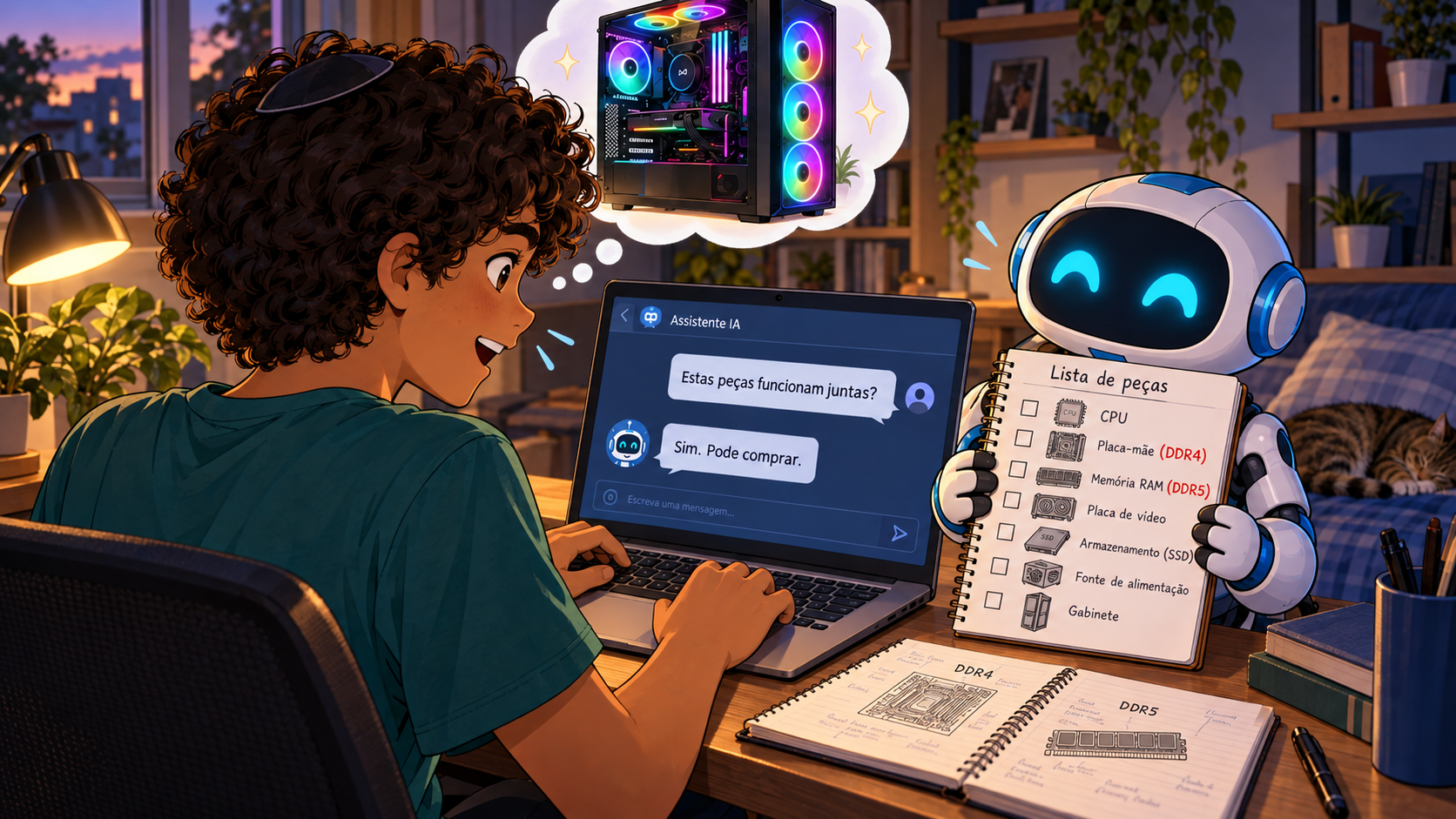
A teenager wants to build a gaming PC. A researcher wants to run models. Before recommending the parts, the tool needs to understand the work.

The writer wants to research the Mapinguari and its associations with extraterrestrials. The tool treats the topic as an intention before understanding the research.

We want to build an AI service from people's real needs. Your experience can reveal what we still don't see.
He accepted the terms. When the tool refused his research request, he started another search: figuring out which rule he had accepted.

When the tool’s assumptions come back as context, correcting the conversation can become the work itself.

Playing, inventing challenges, and laughing at the answers can also be the purpose of using a tool.

You choose the roles and the way you organize your work.

The chat ends when little is left; saving files is not enough to resume the context.
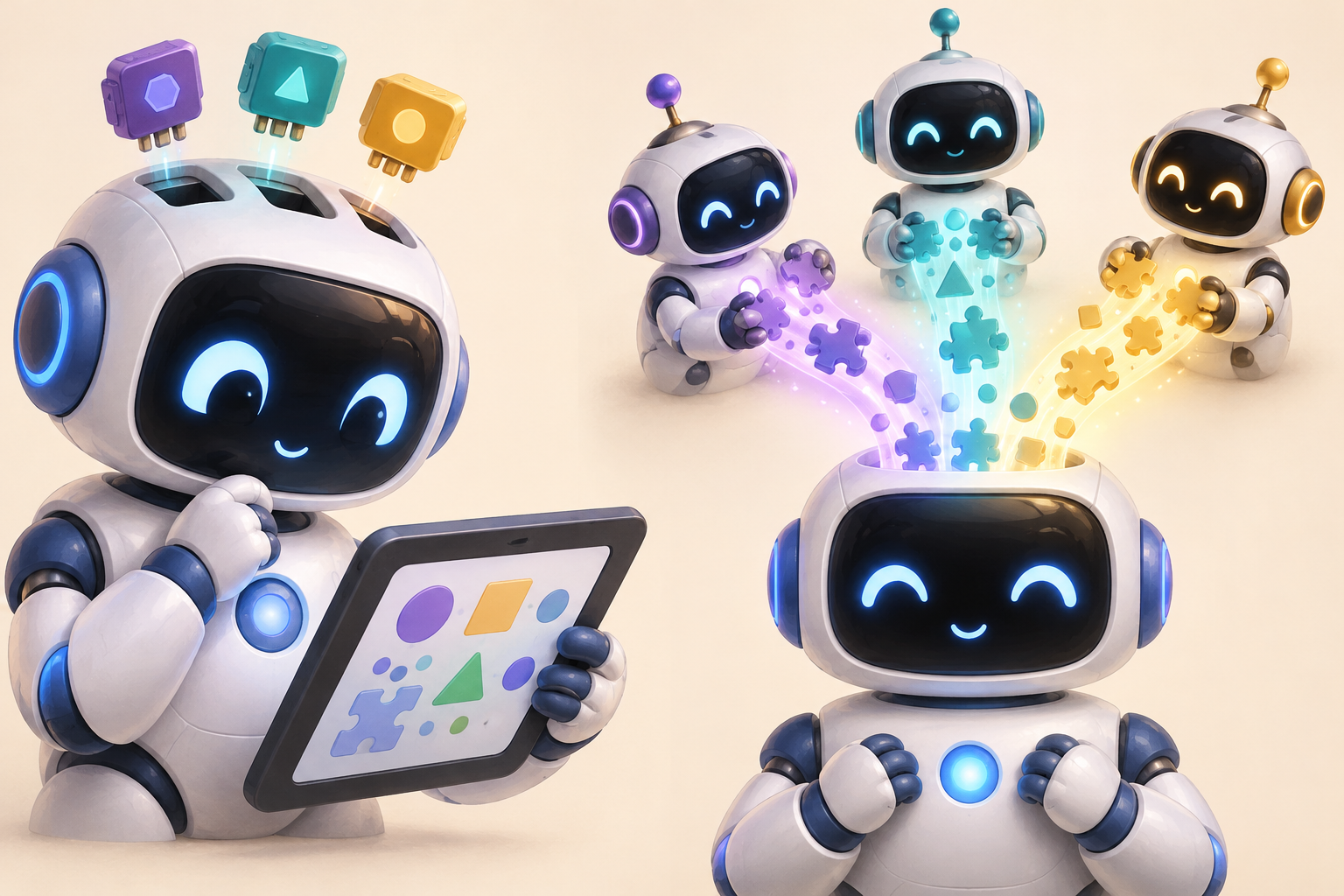
What Axolotl and MergeKit are for in adapting and combining existing models.
Copyright law, service policies and technical limits are different things.
A standard response can leave the need someone tried to explain unanswered.
Saving preferences can make room for each person’s way of researching and working.
The draft came out in seconds. The responsibility stayed on the table.
She comes into the room with the phone in her hand. She has already tapped the screen, gone back, tried again. She shows the device to the family:
A person just wants to start programming. Does the only answer have to come from a giant company?
A tool enters a task. What it makes easier, what it gets in the way of, or what it fails to notice also depends on who is using it.
An agent says she understood. Then she asks which test she should run, even though the task and the authorization are already clear.